
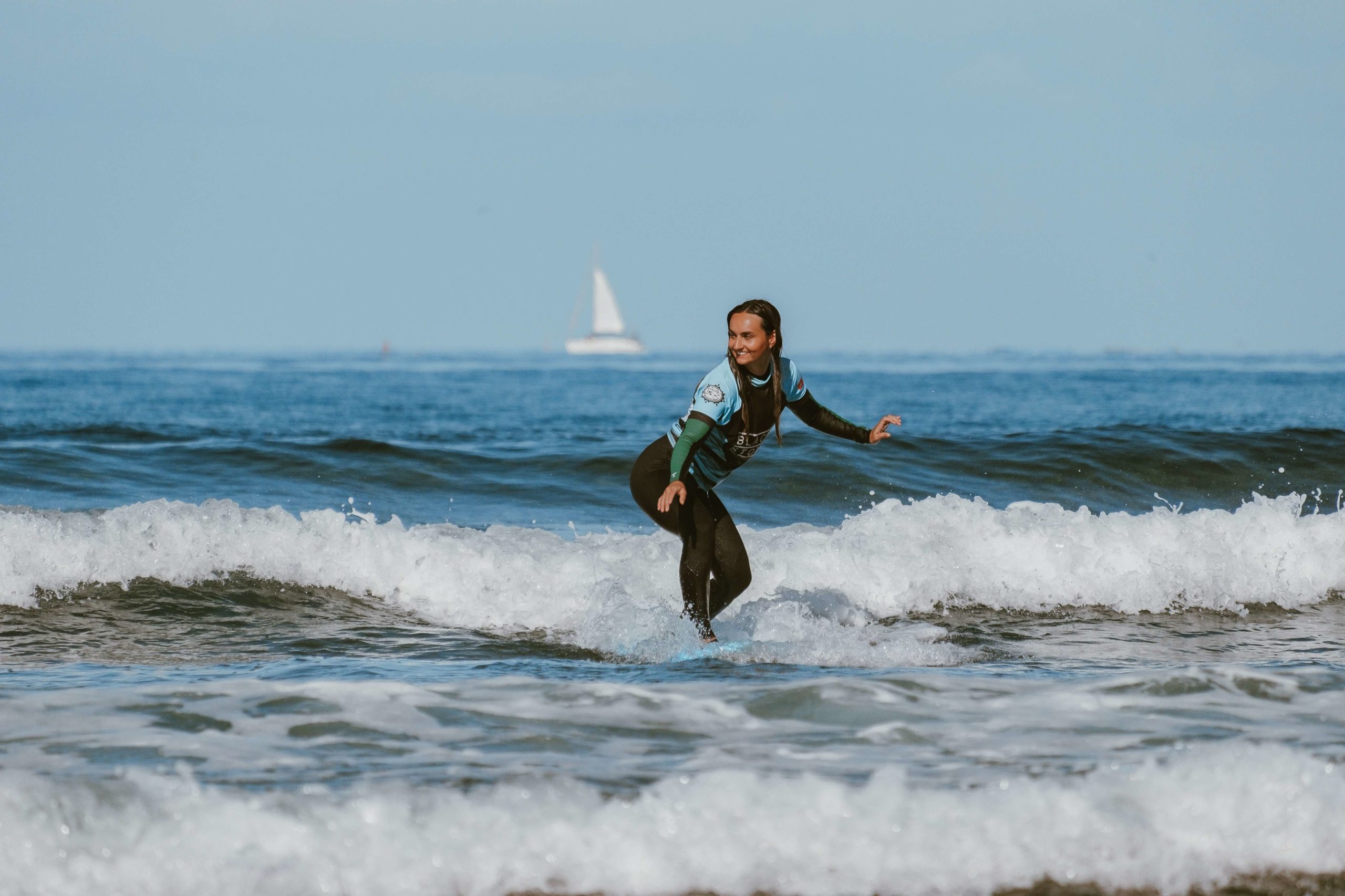
Surfing for Beginners: 7 Essential Tips to Get You Started
Simple surf tips every beginner should know
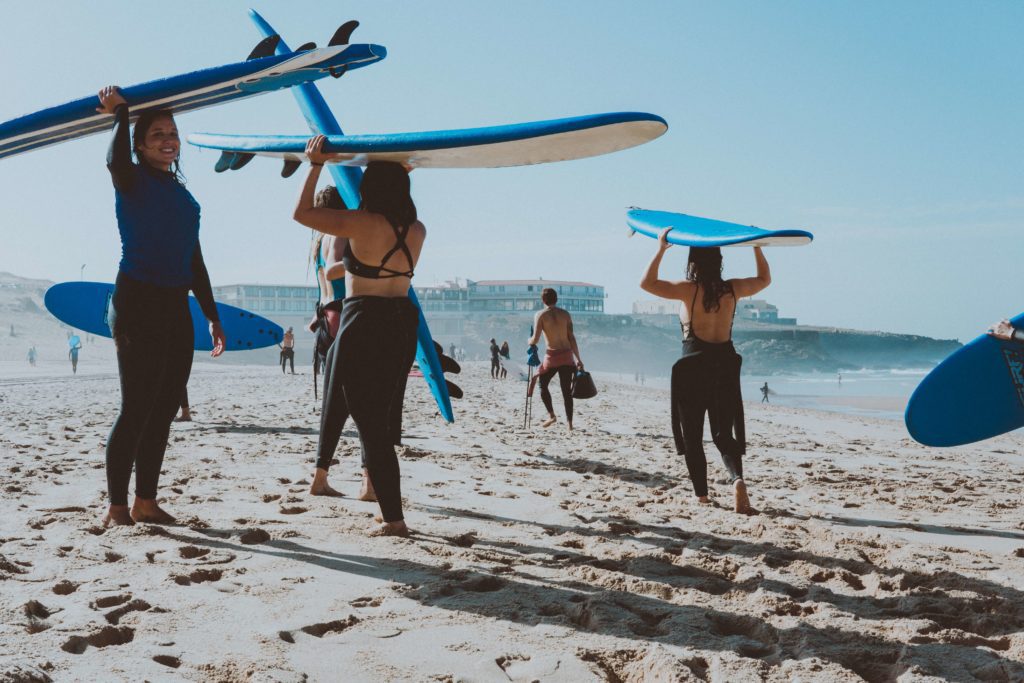
In this blog post, we’ll go over seven essential surfing tips for beginners. From getting the right surfboard for beginners to mastering the art of surfing, these essential tips will help beginners learn the basics of surfing and have a positive experience in the water.
Here are 7 essential tips to get you started with surfing as a beginner:
Tip #1: Get the Right Surfboard

Choosing the right surfboard for a beginner is crucial for a successful surfing experience. The wrong board can make catching waves difficult and slow you down.
There are many types of boards available, but for a beginner, a longboard is a good option as it offers stability and paddling power. Foamboard is even a better option as it’s slightly more forgiving.
As you progress, you can transition to a shorter board that allows for more maneuverability. If you’re not sure what board to get you can start by renting and testing different boards. a good quality board will help you enjoy the sport and progress quickly.
Tip #2: Choose the Right Surf Spot
Selecting an appropriate surfing location is essential for new surfers to have a pleasant experience. Look for spots that are beginner-friendly with small waves and sandy bottoms.
Never drive away from good surf
Roger Sharp
Avoid spots with strong currents or rocks that can be dangerous. You can always consult your local surf shop or even lifeguards, they will be happy to help to stay safe.
Tip #3: Take a Lesson
Taking a lesson from a qualified instructor can help beginners learn the basics of surfing and build their confidence in the water. Instructors can teach you proper techniques for paddling, popping up, and riding waves.
Also, they may instruct you in ocean safety and etiquette, including how to read the surf and avoid colliding with other surfers.
Tip #4: Practice Paddling
Paddling is a fundamental skill in surfing, and beginners should practice it on land and in the water. On land, practice lying on your board and paddling with your arms, simulating the motion of being in the water.
In the water, focus on your technique, using your arms to pull the water towards you and your chest to push the water away. Paddling is an essential skill that will help you catch waves and maneuver your board in the water.
Tip #5: Learn to Pop Up
Getting up on your surfboard, otherwise known as popping up, is an essential skill for any novice surfer to learn. It involves transitioning from lying on your board to standing up on it.

Practice popping up on land and in the water by starting in a lying position and quickly pushing up to a standing position.
Make sure that you keep your weight centered over the board and balance yourself by keeping your body low and your hands forward.
A bonus tip here: Keep your eyes on the target! (Whether it’s the beach or the wave)
Tip #6: Start Small
To build up your skills as a beginner surfer, it is recommended to start with small waves and gradually increase your level of difficulty. Riding waves that are too big or challenging can be dangerous and discourage you from continuing to surf.
Be honest with yourself and know your ability, if in doubt don’t puddle out!
Tip #7: Have Fun

Finally, just have fun! Surfing can be a great way to stay active, enjoy the outdoors, and connect with nature.
Remember to stay positive, focus on progress, and enjoy the ride!
Conclusion:
Learning to surf as a beginner can be a challenging yet rewarding experience. By following these seven essential tips, you can build your skills, confidence, and love for surfing.
Each tip is vital in helping beginners enjoy the sport safely and successfully. With consistent practice and a positive attitude, anyone can learn to surf and enjoy the thrill of riding the waves.
So… what are you waiting for? grab your board and hit the beach, Happy surfing!surf